Recipe: baked mussels two ways

mu12.jpg

My love for seafood started at an early age with our family eating prawns every single Friday. I still love it, although it’s difficult to get hold of Atlantic prawns in London. But that means that every time I go back to Sweden I make sure to eat as much seafood as I possibly can.
mu4.jpg

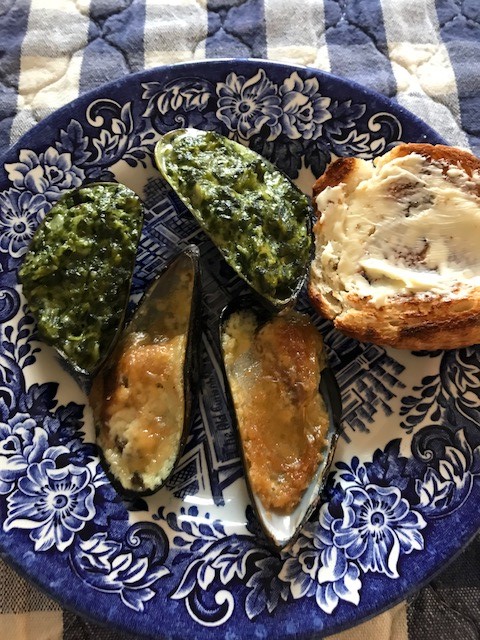
One evening this summer I made these baked mussels as a starter, and they went down a treat.

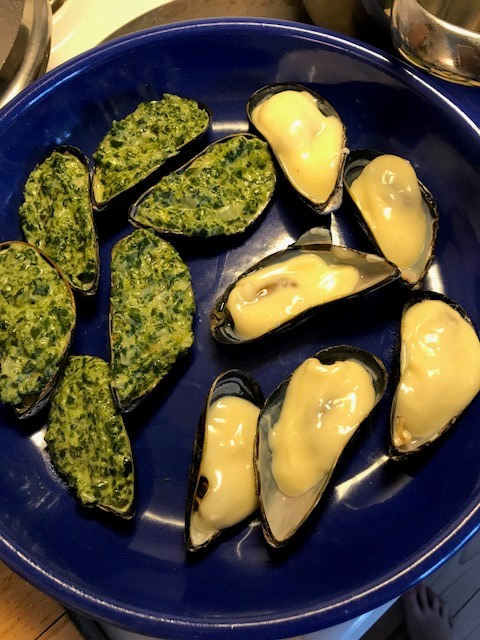
I had two different toppings but I would say they were both equally yummy. The green ones were inspired by Oysters Rockefeller and had spinach and cream in the filling and the white ones were just topped with homemade aioli.
mu1.jpg

Baked mussels with aioli

2-3 large mussels per person

1 batch homemade aioli

Rinse the mussels a few times in a colander to remove sand. De-beard the mussels and rinse again. Discard of any mussels that won’t close their shell when tapping on it. Put the mussels in a pan of boiling water with a little salt. Put the lid on and cook for a minute or so or until the mussels have open. Drain in a colander. 

Open the mussels and discard the empty halves. Dollop aioli onto the mussels to they’re covered. Place in a oven-proof dish and bake until golden in 200C or under the grill, about 5 minutes. Serve with crusty bread. 
Baked mussels a’la Rockefeller

2-3 large mussels per person

1 shallots, finely chopped

1 tbsp butter

3 nests of frozen chopped spinach (or the equivalent of fresh spinach)

4 tbsp double cream

grated nutmeg

salt & white pepper

Rinse the mussels a few times in a colander to remove sand. De-beard the mussels and rinse again. Discard of any mussels that won’t close their shell when tapping on it. Put the mussels in a pan of boiling water with a little salt. Put the lid on and cook for a minute or so or until the mussels have open. Drain in a colander. 

Fry the shallots on medium heat in a small saucepan until translucent but not brown. Add the frozen spinach and let the water bubble away. Add the double cream and nutmeg and let the mixture reduce a little. Season well. 

Open the mussels and discard the empty halves. Spoon the spinach mixture into the shells and place in a oven-proof dish and bake until golden in 200C or under the grill, about 5 minutes. Serve with crusty bread. 

Recipe: Kale quiche with almond slivers and mature cheese

IMG_0890.JPG

Already in November I celebrated Christmas the Scandi way with the book club. It’s a nice little tradition and this year we outdid ourselves with carol singing! It was so much fun and the perfect way for me to get into the Christmas spirit.

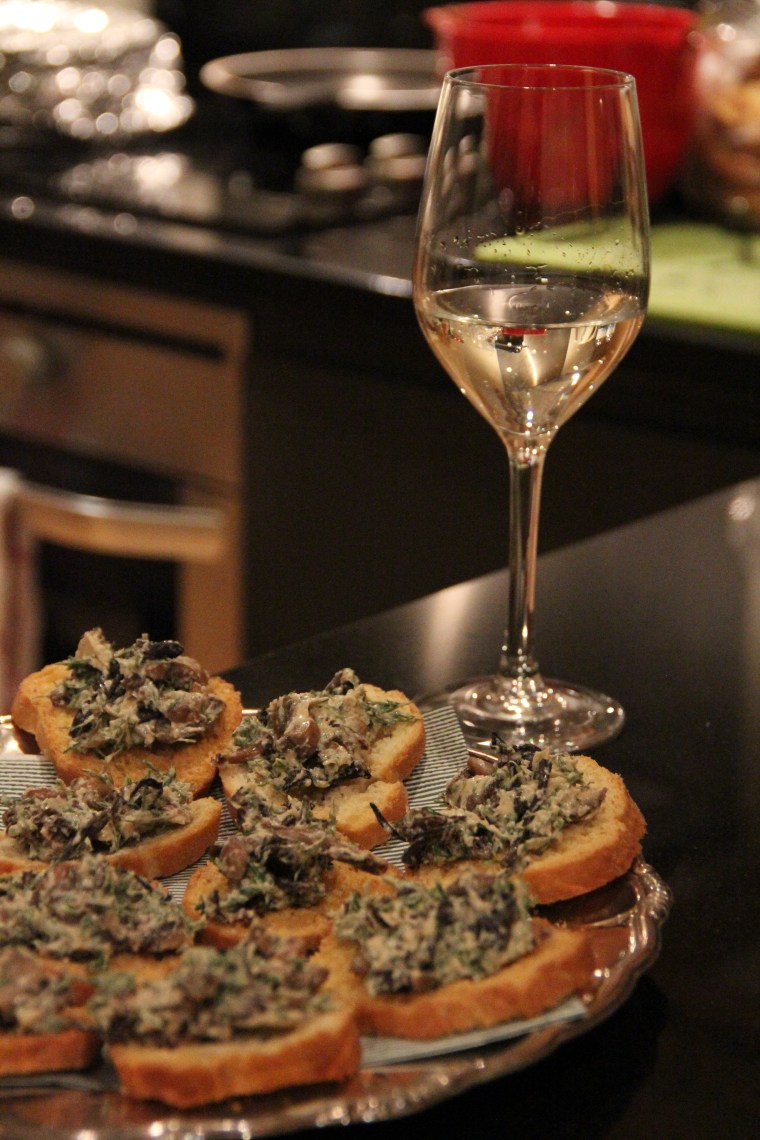
We started the evening with the loveliest mushrooms salad on crostini, plenty of prosecco and my epic Christmas playlist.

IMG_0902.JPG

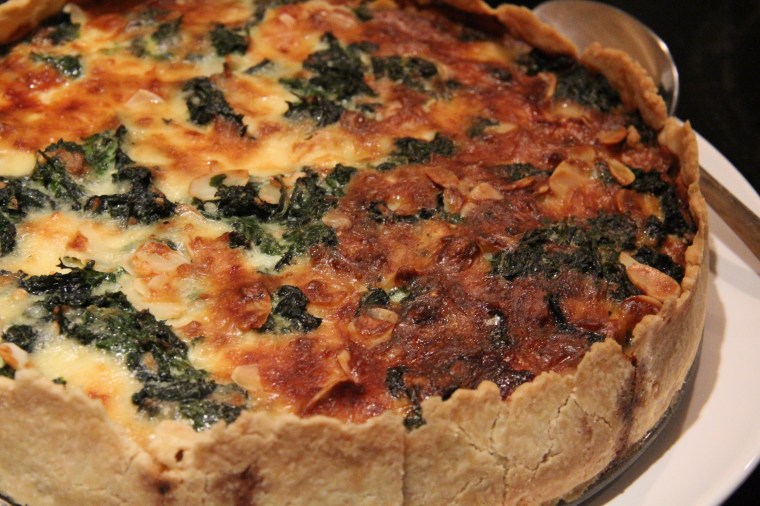
Then we moved on to the main meal of Jansson’s frestelse (grated potato baked with onions, anchovies and cream), two types of meatballs, a salad with pear and walnuts and this kale and almond quiche with Swedish Herrgård cheese.

But the pièce de résistance was Mary-Louise’s pecan and almond pie for pudding. So lovely and timed well as it was around Thanksgiving!

IMG_0904.JPG

Kale and almond quiche with Herrgård cheese, serves 8-10

Pastry:

120 g softened butter

300 ml plain flour

1/2 beaten egg

Filling:

500 g kale, trimmed, rinsed and parboiled

50 g almond slivers

200 ml matured Herrgård cheese, grated (matured cheddar works as well) 

3 eggs

100 ml cream

200 ml milk

salt and pepper

Pinch the pastry together and coat a pie dish with it. Use a fork to make small holes in the pastry. Pre-bake it for 10 minutes in 180C. Leave to cool.

Squeeze the water out of the kale and chop it. Add salt and pepper to the kale and place in the the tin. Scatter with almond slivers and add the cheese.  

Beat eggs, cream and milk. Add plenty of salt and pepper. Pour into the tin and press the filling down so it’s all covered with the egg mixture. Bake in 180C for about 40 mins (until set and golden brown). 


Recipe: Shakshuka with yoghurt and feta

sh6.jpg

At the brunch in December I introduced my friends to shakshuka, which they all loved. It’s such a great brunch dish if there is several of you as you can make the tomato sauce ahead and then cooked the eggs in the oven. If I make a smaller portion for lunch or dinner I cook it in a frying pan on the hob and cover the pan with a lid, as it’s quicker than heating up the oven.

sh12.jpg

My version of shakshuka has the usual base of peppers, onions and tomatoes as well as tinned tomatoes to make it saucy. After baking the eggs in the oven I add the toppings; Greek yoghurt, crumbled feta and chilli flakes. If I made this just for myself I would have added some Tabasco as well, but here I left it on the side so everyone could help themselves if they wanted more of a kick.

sh15.jpg

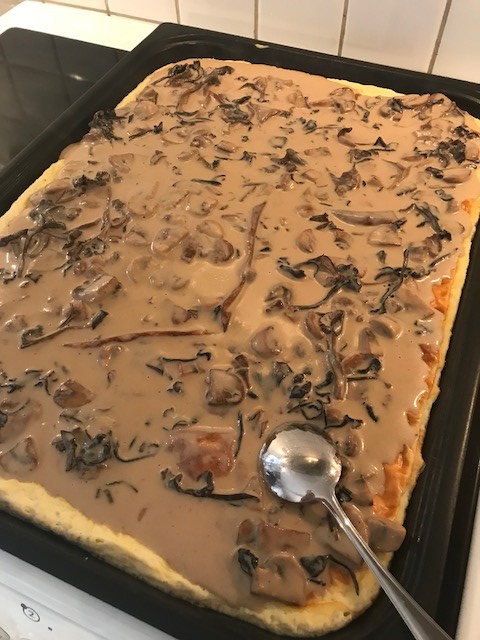
Bacon isn’t really necessary with this egg dish, but it works so well at brunch (and with the mushroom omelette) I thought it was a nice addition.

Scandelight’s shakshuka, serves 4-6

1 shallots, chopped

1 small garlic clove, chopped

2 bell peppers (of any colour), chopped

3 tomatoes, chopped

1 large tin (400 g) tinned chopped tomatoes

30 ml water

salt, black pepper

a pinch of sugar

6 medium eggs

200 ml full-fat Greek yoghurt

1 tbsp olive oil

1/4 lemon

chilli flakes

1/2 packet feta 

Pour a little oil in a large frying pan or saucepan. Fry the garlic and onions until golden (not brown). Remove from the pan. Fry the peppers until soft and add the fresh tomatoes. Add the garlic and onions and stir on medium heat until nice and soft. Add the tinned tomatoes and water and stir occasionally. Season to taste with plenty of salt, black pepper and sugar if needed. Let the mixture thicken. 

If using a frying pan, make six “holes” in the mixture and crack an egg in each. Cover with a lid and cook until the whites are set.

If using an oven, transfer the tomato mixture to an oven-proof dish and pre-heat the oven to 180C. Make “holes” in the tomato mixture and crack an egg in each hole. Bake until the whites are set. 

In the meantime, mix yoghurt with salt, pepper, lemon juice to taste and olive oil. 

When the eggs are cooked, remove from the hob or oven and add dollops of yoghurt to the pan/dish. Sprinkle with crumbled feta and chilli flakes. Serve with some nice bread. 

Recipe: cheese toastie with Maroilles

I don’t know if it was because I’d just seen Nigella make a brie, parma ham and fig toastie on her latest TV show or just the fact that I am perpetually in the mood for a cheese toastie, but as it happens two weekends ago, I knew just how I would use the Maroilles cheese a French colleague had given me the same week. In return he got a nice piece of Swedish Herrgård cheese, matured for 18 months. But back to the Maroilles.

When talking to French people, food as a conversation topic is never far away. And that’s how I found out that this Maroilles cheese, from the area of Picardy, is both delicious and probably the smelliest cheese in the world. To me that’s more intriguing than off-putting and I was super excited when I tried it. Similar to Reblochon, it’s a washed rind cheese with a lot of flavour, but it’s much creamier, and dare I say, delicious.

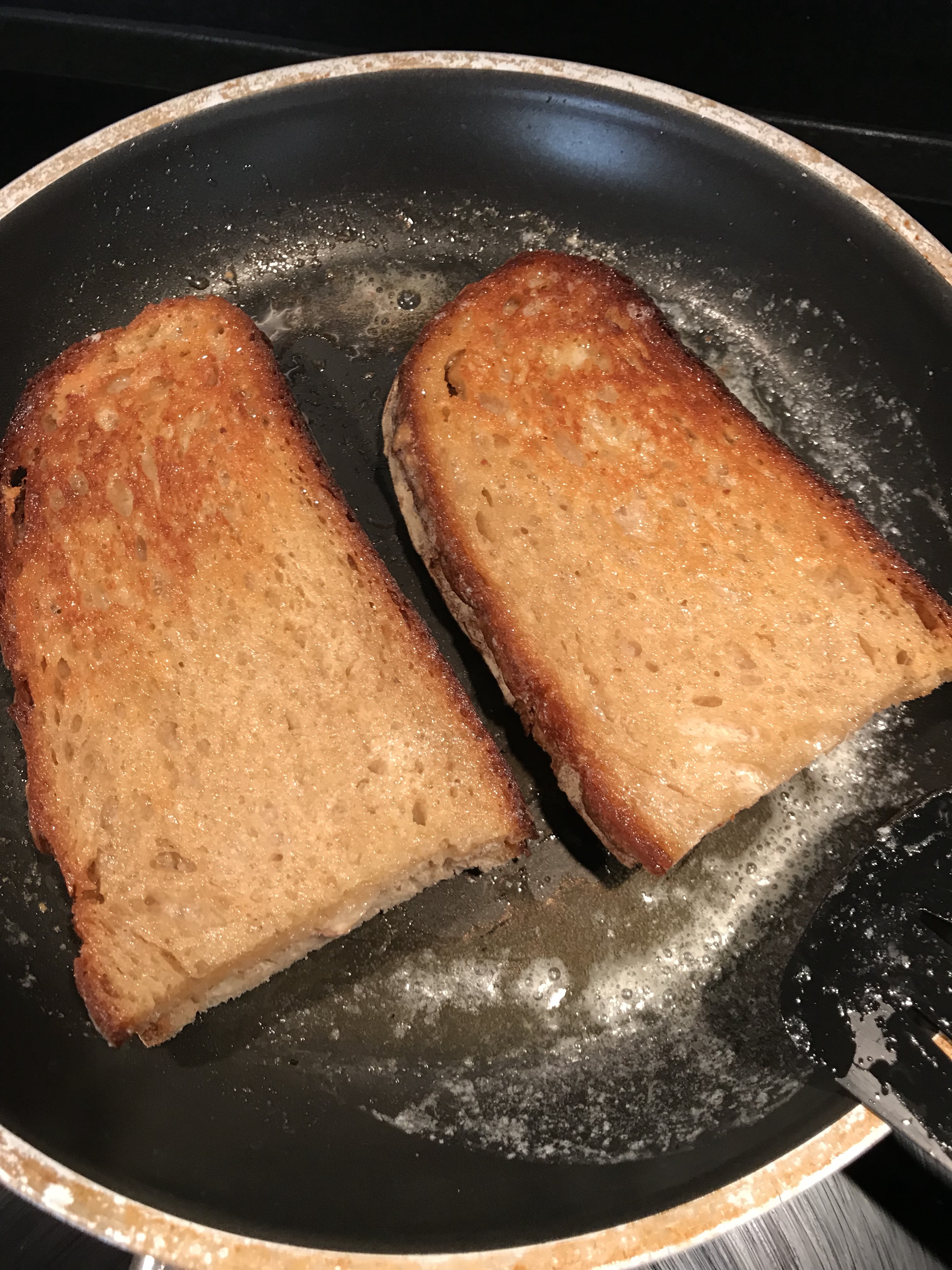
This cheese toastie is utterly simple to make, but very rewarding when you bite into the crisp bread with melted cheese oozing out on the sides.

Maroilles cheese toastie, per toastie

2 slices Poilâne bread

salted butter

2 thick slices of Maroilles cheese

Butter the two Poilane slices on one side. Place the cheese on one of the buttered surfaces and spread them it out so it covers the whole bread slice. Place the other slice of bread on top, buttered side down (i.e. touching the cheese). Press the sandwich together. 

Now, melt a generous knob of butter in a frying pan on medium-high heat (3-4 out of 6) and place the sandwich in the pan. You don’t want the butter to burn so if unsure lower the heat. You want the sandwich to be golden on both sides and the cheese to melt inside so it takes a few minutes on each side.

Fry until golden brown on one side, pressing down with a spatula. Turn the sandwich and fry the other side. Once crisp and golden and the cheese has started to ooze out on the sides remove from pan and place on kitchen roll to remove excess butter. Pat the top of the sandwich with kitchen roll too, then cut into half and serve. Yu-um. 

PS. This is what I love the most about food; it brings people together. My colleague thought the Herrgård was a nice addition to his cheese board, with otherwise only French cheeses I presume, and I got to try a cheese I had never heard of until he boasted about the best produce from his region in France. Merci!

Recipe: boiling crayfish

kra5.jpg

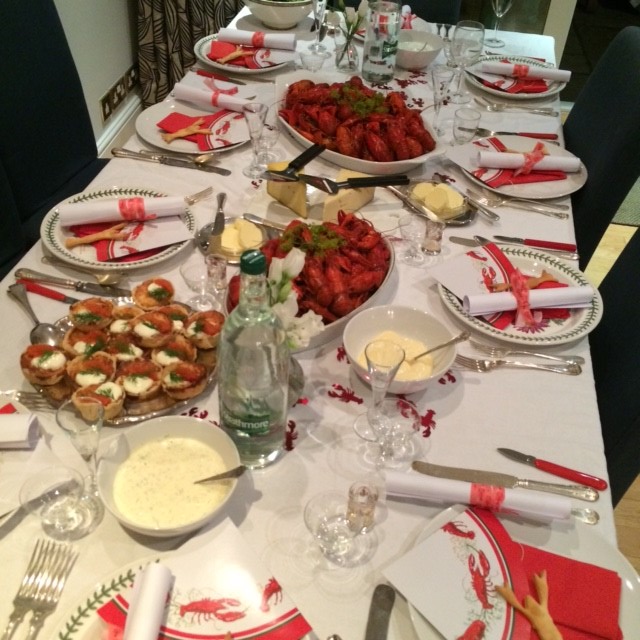
The last few years I have made sure to invite my London friends to a proper Swedish crayfish party, as it’s my favourite non-holiday holiday in my native country. I usually buy the pre-cooked frozen crayfish from the Swedish shop but last year I actually found a crayfish seller who sold fresh crayfish caught in local lakes or ponds. The price was almost the same, and the quality so much better, but I also really wanted to cook my own crayfish!

kra1.jpgkra3.jpg

Compared to lobsters who you usually cook in boiling water, we cook crayfish in a sort of brine that we then leave the crayfish in until we eat them, adding a salty dilly taste to the crustaceans.

kra8.jpgkra12.jpg

My London friends love crayfish as much as I do, so I ordered 7 kg for 12 of us, which may sound like a lot, but we ate every single one. It was a little tricky cooking that many with not that many large pans to hand but I managed*, and had a good time in the process experimenting with two types of brine; one with just salt, sugar and dill and one with beer in (a common practice for cooking crayfish) that add more depth to the flavour.

kra9.jpg

Boiling crayfish, basic recipe

20 crayfish

2 1/2 litre water

75-100 ml salt

1 tsp sugar

plenty of dill flowers (dill seeds can be used instead)

Make sure all the crayfish are alive, discard any dead ones. Rinse in cold water. Bring water, salt, sugar and dill flowers to the boil. Put the crayfish in a colander and lower it into the boiling brine to cook the crayfish. Cook for 10 minutes, from the brine starts boiling again. Leave to cool in the brine, keep cold and eat within 24 hours. 

Boiling crayfish, with beer

20 crayfish

2 1/2 litre water

1 litre beer

75-100 ml salt

1 tsp sugar

plenty of dill flowers (dill seeds can be used instead)

Make sure all the crayfish are alive, discard any dead ones. Rinse in cold water. Bring water, beer, salt, sugar and dill flowers to the boil. Put the crayfish in a colander and lower it into the boiling brine to cook the crayfish. Cook for 10 minutes, from the brine starts boiling again. Leave to cool in the brine, keep cold and eat within 24 hours. 

*The trickiest part was actually storing 7 kgs of crayfish in its brine in a cold place. The fridge surely wasn’t large enough and it was full of all the other food we were having with the crayfish, so I put them in bowls and pans in the bath and filled it with ice. Bonus pic:

kra4.jpg

Recipe: lettuce wraps with prawns and spicy mayo

IMG_9337.JPG

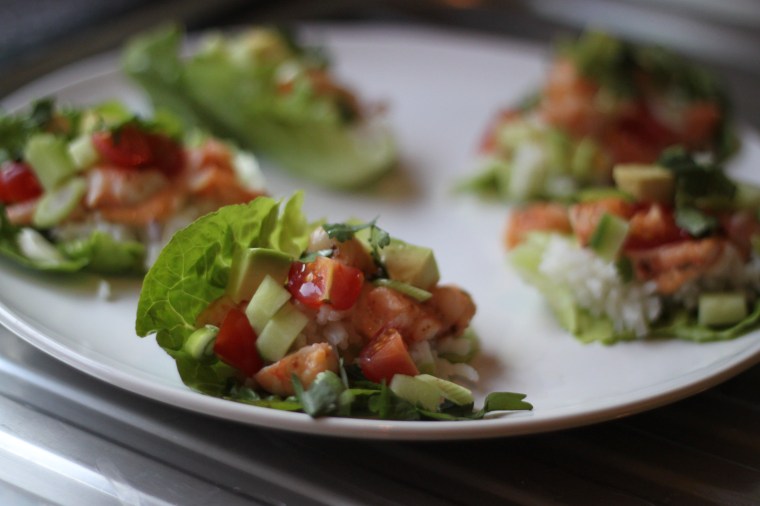
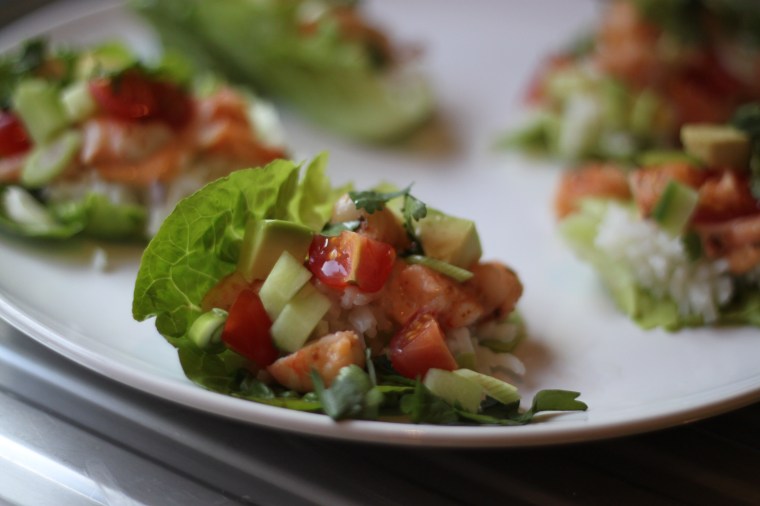
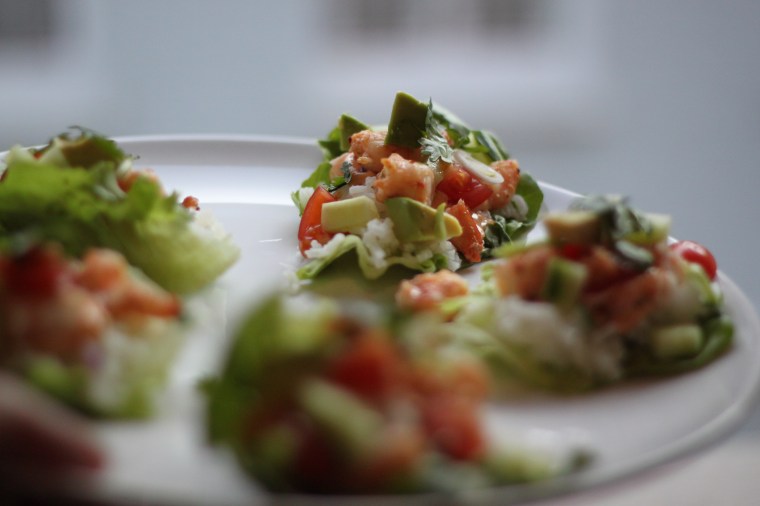
These little wraps are seriously delicious in an effortless sort of way. Perfect for a post-beach supper with a cold beer or a glass of rosé, or as a light lunch on the terrace. The point is that’s it’s low effort to make but full enjoyment to eat. And almost healthy.

If you want to make them actually healthy I’m sure brown rice or wild rice would work too, but lets be honest; it won’t taste as nice.

But they could easily be converted into a lovely starter by just omitting the rice. You see, the possibilities are endless.

IMG_9323.JPG

IMG_9341.JPG

Lettuce wraps with prawns and spicy mayo, serves 2

2 portions long-grain rice

300 g raw large prawns

1 tsp Aleppo pepper or chilli flakes

1 lime wedge, the juice only

salt, white pepper

1 -2 little gem lettuce

10 cm cucumber, peel off most of the green peel and cut into small cubes

6 cherry tomatoes, cut into small wedges

2 spring onion, thinly sliced

1/2 avocado, cut into small cubes

Spicy mayonnaise:

100 ml Hellmann’s mayonnaise (or homemade) 

2-3 tsp gochujang (Korean chilli sauce)

a few splashes red Tabasco for added heat

a small pinch of salt

To serve:

chopped coriander

1/2 lime, cut into wedges

Cook the rice according to the instructions on the packet. Leave to cool a little. Mix the mayo. Wash and dry the lettuce leaves. Wash and cut the remaining vegetables. 

Heat up oil in a frying pan on medium heat. Add the prawns and fry until pink. Add Aleppo pepper or chilli flakes, salt, pepper and a squeeze of lime. Cut the prawns into smaller pieces. 

Fill the lettuce leaves with rice, mayo, prawn pieces and vegetables (in that order, the mayo works as a glue to hold the toppings in place), add some chopped coriander and finish with a squeeze of lime. Serve with plenty of napkins as they’re best eaten using your hands! 


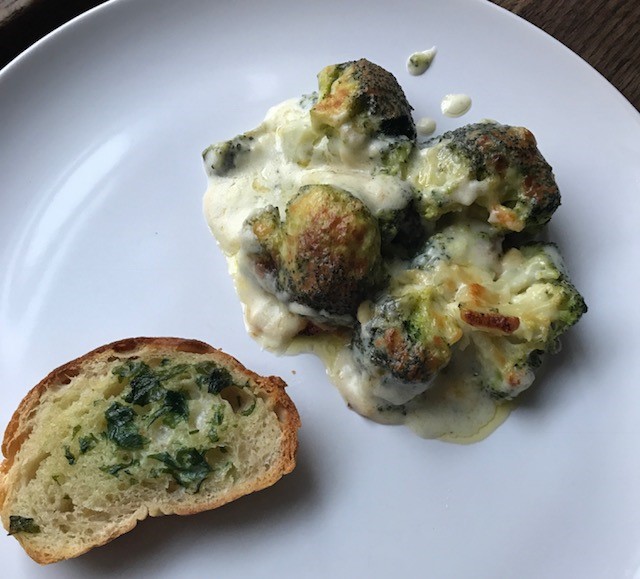
Recipe: broccoli cheese


broc7

We all know cauliflower cheese, right?! The lovely side dish almost mandatory at any British Sunday lunch.

Now just substitute the cauliflower with broccoli. Why? Well, mainly because then I can eat it. My stomach rules my life and has decided cauliflower is out of the question. Obviously I obey, as it’s pretty painful not to.

broc8


But, I also discovered that using broccoli instead of cauliflower made the whole dish a lot lighter, even though the brassica is more or less covered with a heavy and delicious cheese sauce. And, served on it’s own with either some wild garlic bread, a few slices of prosciutto or a salad to make it more of a meal, it’s a perfect summer supper. Satisfying, healthy-ish (thanks Bon Appetit for coining this term) and lovely.


Broccoli cheese, serves 2 as a main course

Adapted from Smitten Kitchen’s excellent cauliflower cheese recipe.

2 medium heads broccoli

4 tbsp butter

4 tbsp plain flour

2 tsp Coleman’s mustard powder

salt and black pepper 

475 ml milk, whole milk or semi-skimmed

155 g grated strong cheddar

Pre-heat oven to 200C.  Trim broccoli and remove the core. Cut into 1 to 2-inch florets. Par-boil for 6 to 7 minutes until firm but tender. Drain and spread florets on a towel so that it can wick out as much moisture as possible. 

Meanwhile, in a medium saucepan, melt butter over medium heat. Add flour and whisk to combine; cook for 1 minute to ensure you get rid of the floury taste. Add mustard powder and black pepper. Drizzle in milk in a thin, steady stream, whisking the whole time so that no lumps form. Season with salt and bring mixture to a simmer while stirring with a whisk. The mixture should thicken. Reserve 2 tbsp of the cheddar and add the rest to the sauce a handful at a time, letting each handful melt before adding the next. Adjust seasoning if needed.

Place the broccoli florets in an ovenproof dish. Spoon over sauce  and sprinkle with remaining 2 tbsp cheese. Bake until until bronzed and bubbly, about 30 minutes. 


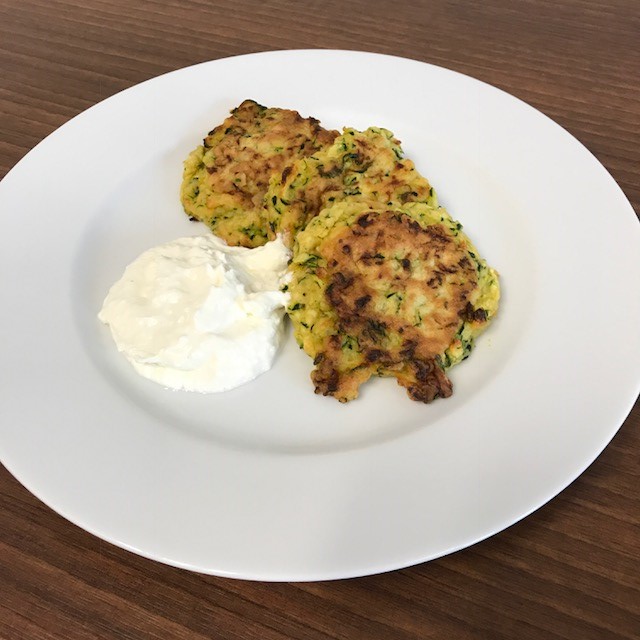
Recipe: courgette and chilli fritters

fr2.jpg

Sometimes I forget how genius some dishes are. Like fritters. They’re always satisfying to eat (any time of day) but never too heavy. And they contain vegetables which basically means they’re healthy right?!


Courgette fritters, makes approx 10

Adapted from Smitten Kitchen’s recipe.

2 medium courgettes

1 tsp sea salt flakes + extra to taste

1/4 red chilli, finely chopped 

1 egg

black pepper

72 g plain flour

1/2 tsp baking powder

oil for frying

Preheat the oven to 180C. Cut the ends of the courgettes and grate coarsely. Place in a bowl and mix in 1 tsp salt. Leave for 10 minutes the wring out the courgette either using your hands or a clean tea towel. 

Mix the grated courgette with a bit more salt for seasoning (1/4 tsp is perfect), the chopped chilli, black pepper and egg. Mix flour and baking powder and stir into the courgette batter. 

Heat up a frying pan on medium heat, pour in oil. Drop dollops of the mixture into the pan and fry on both sides until golden brown. Drain on kitchen towel and place on a parchment paper lined baking tray. Bake for 10 minutes until crisp and cooked through.  

Parmesan yoghurt crème

200 ml Greek yoghurt

1/2 lemon, zest only 

2 tbsp grated parmesan

salt, black pepper

Combine the ingredients in a bowl. Season to taste. 


Recipe: lamb ribs with nigella seeds

ribs.jpg

I tend to bookmark recipes to try all the time, but sometimes it takes me quite a while to actually try them out. This one, is definitely one of those as I first made a mental note while watching the series Simply Nigella, and then literally bookmarking the page in the cookbook, then leaving it for a year or so. But this recipe is worth the wait. It’s incredibly easy to “make” (the oven takes care of it really) and it’s really yummy and packed full of flavour.

If you’re not a fan of lamb meat this may not be for you as the meat flavour is really strong because of the cut and the fat that melts over the meat in the oven. But if you, like me – like lamb – they’re heavenly!


Lamb ribs with nigella and cumin seeds, serves 6-10

Adapted from Nigella’s recipe.

4 teaspoons nigella seeds

4 teaspoons cumin seeds

4 teaspoons regular olive oil

4 tablespoons soy sauce

4 cloves garlic (peeled and finely grated, or minced)

24 lamb ribs (cut from 3 lamb breasts, bones in)

Preheat the oven to 150ºC. Line a large roasting tin with foil and sit a rack on top.

Get out a dish and add the nigella and cumin seeds, pour in the oil and soy and add the garlic. Stir to combine.

Dip the ribs, one by one, in this mixture, so that they are lightly coated on both sides; you may think this scant amount won’t be enough for all the ribs, but it is. 

Arrange them on the rack above the lined baking tin and cook in the oven for 1½–2 hours (they can differ in size), or until the fat on the ribs is crisp and the meat tender. Serve. 


Recipe: Cacio e pepe

IMG_8607.JPG

Cacio e pepe, this heavenly dish consisting only of pasta, pecorino and black pepper (and a little cooking water from the pasta) has always seemed so daunting to make. I have enjoyed it cooked to perfection in Rome (it’s a Roman dish) but I never thought I could recreate it at home. But then I read Felicity Cloake’s article about the perfect cacio e pepe and decided to have a go as she made it seem so easy. And it turns out, with her guidance, it actually was!

The receipt is perfect. I didn’t change a thing and it worked perfectly the first time. If you’re a cacio e pepe novice like I was I highly recommend reading the article beforehand just to understand the elements of the dish better. And I can’t stress enough how important the quality of the ingredients are; buy some good dried pasta (I love de Cecco) and some really nice pecorino ( I got mine from Natoora) and your finished dish will be just as nice as the one you had in Rome on your holiday.

IMG_8615.JPG

Cacio e pepe, serves 2

Adapted from Felicity Cloake’s recipe.

2 tsp black peppercorns

200 g spaghetti 

80 g pecorino romano, at room temperature, finely grated 

Toast the peppercorns in a very hot, dry pan then roughly crush with a pestle and mortar.

Bring a wide shallow pan of well-salted water to the boil, then add the pasta; it should be covered but not by much. Stir occasionally during cooking and, five minutes into the cooking time, scoop out 250 ml water into a wide bowl to allow it to cool slightly.

Drain the pasta and leave it to cool for a minute. Meanwhile, put the cheese and most of the pepper in a large, heavy bowl or pan and beat in some of the pasta water very gradually to make first a paste, and then a sauce the consistency of bechamel. Add the pasta and toss furiously while adding enough of the water to make a sauce that coats each strand of spaghetti.

Divide between warm bowls, sprinkle over a little more pepper, and serve immediately.