Asparagus risotto with lemon and dill oil

IMG_3384

March this year seems to give us a real pick ‘n mix of weathers; from snow and cold winds to warm temperatures and wonderful sunshine It makes it difficult both to dress appropriately and eat appropriately.

This risotto is a great compromise as it is both creamy and warming (for cold weather) and fresh and spring-like with the addition of asparagus and lemon. I just can’t bring myself to go back to hearty stews after a few days of fresh salads.

IMG_3367

I used this recipe, but used vegetable stock instead. And at the end I added lemon zest from a quarter of a lemon, topped the bowl with more grated Parmesan and a few pungent drops of dill oil. I bought mine in from this place, in Southern Sweden.

Schnitzel burgers with cheese and grilled peppers

IMG_3108

Swedish street food can be really unexciting. It is usually [smoked] bangers and mash, burgers etcetera. But if it is a good kiosk or gatukök the food can be really good. An old-fashioned kiosk classic is this schnitzel in a bun with cheese and grilled peppers that I can sometimes crave.

The really processed version is of course, like all processed foods, quite terrible. But if you bread your escalopes yourself and make your own buns, it is suddenly a great alternative to a burger. But, and I am afraid this is important, the only cheese that works here is the plastic variety.

IMG_3114

Schnitzel burgers with cheese and grilled peppers, serves 2

2 homemade buns

2 pork escalopes

1 egg, beaten

plain flour + seasoning

breadcrumbs

butter and oil for frying

2 slices plastic cheese (i.e. Dairy Lea)

4-6 tbsp sliced grilled peppers in oil

maybe a small dollop of mayonnaise

Dip the escalopes in the seasoned flour, then in the beaten egg and finally in breadcrumbs. Fry in oil and butter until cooked through and golden brown on both sides.

Spread a small amount of mayonnaise on the bottom half of the bun, place the schnitzel on top, then cheese and plenty of peppers. 

Buttermilk sponge cake with sourcream chocolate frosting

IMG_3294When I went to New York for the first time last summer, I was actually shocked over the portion sizes in some restaurants, although of course I knew  what to expect.

And the same thing happened to me with this cake. It is an American recipe so I expected a large cake. But not this giant. Oh well, it doesn’t matter as it went down a treat and disappeared very quickly at the office despite its size.

And no wonder. The sponges are very light and super moist (thanks to the buttermilk in the batter). And the very strange frosting, consisting of little else but dark chocolate and sourcream, is neither too rich nor too sweet.

All in all, I would say this is a pretty perfect cake!

IMG_3345

Sponge cake with buttermilk, 2 large round cakes

Adapted from Smitten Kitchen’s recipe.

480 g plain flour

2 tsp baking powder

1 1/2 tsp bicarbonate of soda

1 tsp salt

225 g unsalted butter, softened

400 g caster sugar

2 tsp vanilla

4 large eggs, at room temperature

475 ml buttermilk 

Preheat the oven to 175C. Grease to springforms, about 22 cm in diameter and cover with a round of baking parchment in the bottom. 

Mix flour, baking powder, bicarb and salt in a bowl. Beat butter and sugar creamy in a mixing bowl with an electric mixer. Add the vanilla. Then add the eggs one at the time. Mix well in between each and scrape down the sides. Then add the buttermilk and don’t over-mix. Add the flour mixture in batches. 

Divide the batter between the two tins. Bake for 30-35 minutes or until a toothpick comes out clean. Leave to cool in the tins and then let cool completely on wire racks.

Chocolate frosting with sourcream, enougn to cover a large cake with two sponges

Adapted from Smitten Kitchen’s recipe.

425 g dark chocolate, roughly chopped

530 ml sourcream – N.B! at room temperature!

ca 60 ml corn syrup, to taste

3/4 tsp vanilla

Melt the chocolate over a bain marie. Leave to cool until at room temperature. 

Mix sourcream with corn syrup and make sure it is at room temperature. Add the tepid chocolate in batches. In case of lumps use a wire whisk and they should disappear. Leave to set in frdge for about 30 minutes or until spreadable without being runny. 

Place one sponge on a cake plate and cover it with frosting. Place the other cake on top and cover the top and sides with frosting. Keep in fridge until serving. 

Grilled aubergine with garlic, parsley and feta

IMG_3361

I made these in the week when it was my turn to host the book club, and they went down a treat. I just love soft aubergines in anything but pairing them with another favourite – feta –  is just heaven!

IMG_3366

You hardly need a recipe, but since Simon Hopkinson has already provided one, I have adapted it below.

This dish works both for lunch and dinner and would look great on a buffet too. It suits more casual gatherings, picnics or a more upscale dinner party. Meet the equivalent of your favourite LBD. Just dress it up or down to suit the occasion.

Grilled aubergine with garlic, parsley and feta, serves 4

Adapted from Simon Hopkinson’s recipe.

4 aubergines

2 garlic cloves, finely chopped

 handful parsley, finely chopped

5-6 tbsp extra virgin olive oil (or coldpressed rapeseed oil)

a little salt, more black pepper

150 g feta

1 lemon, for serving

Turn the grill on high or the oven on 225-250C. 

Run a small, sharp knife round the top of the aubergine, 1cm/½in or so below the stalk and only just cutting through the skin; then make four evenly spaced, similarly shallow cuts, along the length of the aubergine right down to the end.

Grill the aubergines in the oven for 20 minutes. Turn them every 5-7 minutes if you use the grill. They’re done when they’re soft all the way through. 

Let them rest for 2 minutes. 

Peel the skin off the aubergines. Without cutting right through the stalk end, cut the aubergines in half lengthways and gently prise apart until you have two horizontal halves remaining attached at the top end. 

Mix garlic and parsley with olive oil and spoon over the aubergines. Add a little salt and plenty of black pepper. Crumble the feta on top and add some more oil if you like. Serve with lemon wedges. 

Key lime cheesecake

cake spreadYesterday’s cake spread at work!  

Just with salads vs. soups I must say that this time of year anything fresh wins over heavy.   And this cheesecake is indeed fresh with the tangy lime juice and slight sourness from the cream cheese. Admittedly it contains heavy ingredients but the result is a light, yet very creamy, cheesecake. 

I kept the base thin too, as it only serves as a mere ‘resting place’ to the cake; it doesn’t need the biscuit base to cut through the sweetness, because the citrus is doing that on its own.


IMG_3314

I found the recipe at the ever wonderfully Smitten Kitchen and actually followed it exactly, with some minor adjustments when converting the measurements and the fact that I made one large cake instead of mini ones. And I omitted the mango.

OK, I almost followed it. And it turned out really well.

Key lime cheesecake, serves 8-10

Adapted from Smitten Kitchen’s recipe.

Base:
140 g digestives
55 g butter, melted

Filling:
450 g full-fat Philadelphia 
250 g caster sugar
175 ml freshly squeezed lime juice
120 ml sourcream
1/2 tsp vanilla
2 1/2 tbsp plain flour
1/4 tsp salt
3 eggs

To decorate:

200 ml whipping cream

3 lime slices

Preheat the oven to 180C.

Mix the biscuits into crumbs in a food processor. Add the melted butter and mix until it resembles wet sand. Press onto the base of a 20-22 cm springform. Bake the base for 8 minutes, then leave to cool. 

Lower the oven temperature to 140C. 

Beat the Philadelphia fluffy with an electric mixer, then add the sugar. Incorporate lime juice, sourcream and vanilla. Then add flour and salt and then all the eggs at once. Scrape down the sides of the bowl and mix thoroughly. Pour the batter into the cake tin and bake in the oven (preferably in a bain marie but it works without as well, just watch it closely) until the cake has just set and is still wobbly in the middle. About 1 hour in a bain marie, about 30 minutes withour. Leave to cool and refrigerate over night.

Before serving, whip the cream and spread on top of the cool cheesecake (this also covers any cracks) and place the lime slices on top. Keeps in the fridge for 2-3 days. 


Pancakes with asparagus and Parma ham

IMG_3280

I really enjoyed the repeat (thanks BBC!) of Simon Hopkinson’s The Good Cook, because I missed the series the first time around. I love the classic, but far from boring, dishes he cooks, and especially this dish made my mouth water instantly.

You need nice asparagus for this dish, but most importantly you need good-quality Parma ham (or prosciutto works just as well). I had this for dinner but it would work wonderfully well for brunch or lunch too.


IMG_3261

Pannkakor med sparris och parmaskinka, 4 portioner

Adapted from Simon Hopkinson’s recipe.

Pancakes:

100 g plain flour

2 eggs

pinch of salt

250 ml milk

50 g melted butter

Hollandaise sauce:

3 egg yolks, at room temperature

250 g unsalted butter, melted

½ lemon, the juice

salt and pepper

8 Parma ham slices

16 asparagus spears

  1. Preheat the oven to 180C/350F/Gas 4 and preheat the grill to high.
  2. For the pancake batter, place the eggs into a mixing bowl and whisk in the flour. Add the salt and half of the milk. Finally, whisk in the butter and remaining milk to achieve a thin, pouring cream consistency. Chill in the fridge for 30 minutes.
  3. Melt a small knob of butter in a 20cm/8in non-stick frying pan. Once it is hot and sizzling pour in enough batter to thinly cover the base of the pan. After 30 seconds you can lift the edge with a palette knife to see if it’s tinged gold as it should be. Flip the pancake over, cook the other side for a few seconds, and then slide it out of the pan onto a plate.
  4. Without greasing the pan again, repeat the process in stage three to make eight thin pancakes.
  5. For the hollandaise sauce, whisk together the egg yolks with a tablespoon of water in a stainless steel saucepan set over a very low heat, until thick and smooth.
  6. Remove the pan from the heat and continue to whisk while adding the melted butter in a thin stream, leaving behind the milky residue that has settled in the bottom of the butter pan. Season the sauce with salt and freshly ground black peper and sharpen with lemon juice, to taste. Keep warm.
  7. Boil the asparagus in salted water until tender. Once cooked, refresh the asparagus in a bowl of iced water. Drain and pat dry.
  8. To assemble the délices, place a slice of ham on top of a pancake, then arrange two asparagus spears upon it. Roll up and place into a lightly buttered baking dish. Repeat with the remaining pancakes, parma ham and asparagus. Bake in the oven for about 20 minutes, or until just beginning to crisp at the edges.
  9. Serve the délices on a serving dish and coat each one carefully with a spoonful of hollandaise sauce, running it along their length. Very briefly flash the délices under the grill until only just gilded by the heat.

Celeriac, mushrooms, croûtons and aioli

IMG_3245

Sometimes when the fridge at a first glance looks completely empty, it is usually possible to rustle up meal after a little think. I love this type of problem solving and creating a satisfying meal out of ‘nothing’.

I am particularly happy with this dish. It is quite earthy in flavour, but the squirt of lemon juice makes it fresh and I love the contrasting textures of crispy croûtons and soft celeriac and mushrooms.

Celeriac, mushrooms, croûtons and aioli, serves 2

150 g celeriac

100 g chestnut mushrooms

1 handful dried mushrooms (I had a mix of black trumpet and porcini) 

10 cm ciabatta 

1/2 garlic clove, chopped

butter and oil for frying

salt, black pepper

1 lemon wedge, the juice

1 batch aioli

Cut the bread into cubes. Fry the croûtons crispy in butter and oil in a frying pan. Add the garlic at the end but be careful not to burn. Remove from the pan. Soak the dried mushrooms in hot water in a bowl. Peel and grate the celeriac coarsely. Fry until soft in butter and oil and remove from the pan. Squeeze the water off the mushrooms and slice the chestnut mushrooms. Fry the mushrooms together on high heat in oil/butter until golden. Add the celeriac back to the pan for a few moments. Season well. Add the lemon juice.

Spoon the mushrooms and celeriac into bowls, top with aioli and a handful of croûtons. 

Dinner at Harwood Arms, Fulham

I can’t believe I have lived in Fulham since July and only recently visited the one Michelin-starred gastropub Harwood Arms.

The pub feels really cosy and more like a restaurant-pub than a pub-pub. You can have just a drink here, but most of the tables are for the dining guests.

My dinner companion and I decided on two starters each and that was plenty of food. I couldn’t even finish my second starter, but both the dishes I had chosen were quite meat-heavy so it was not surprising that they were so filling.

HA1-001

The beetroot cured salmon (or gravad lax as we Scandis like to call it) was full of flavour and firm in texture.

HA2

But I enjoyed the ham hock even more. The soft and stringy meat worked wonderfully well with the leek and creamy duck egg, but the crispy bits were even better!

HAThe dish we had one each of was the beef faggots, and it was actually my first time trying faggots. These were absolutely delicious, just very filling. And the smoked bone marrow it was served with was a delight on its own.

I can’t wait to go back, and am actually planning on taking my parents here when they visit in about a months time.

Harwood Arms

Walham Grove

Fulham

London SW6 1QP

A repeat: the best frosting ever!

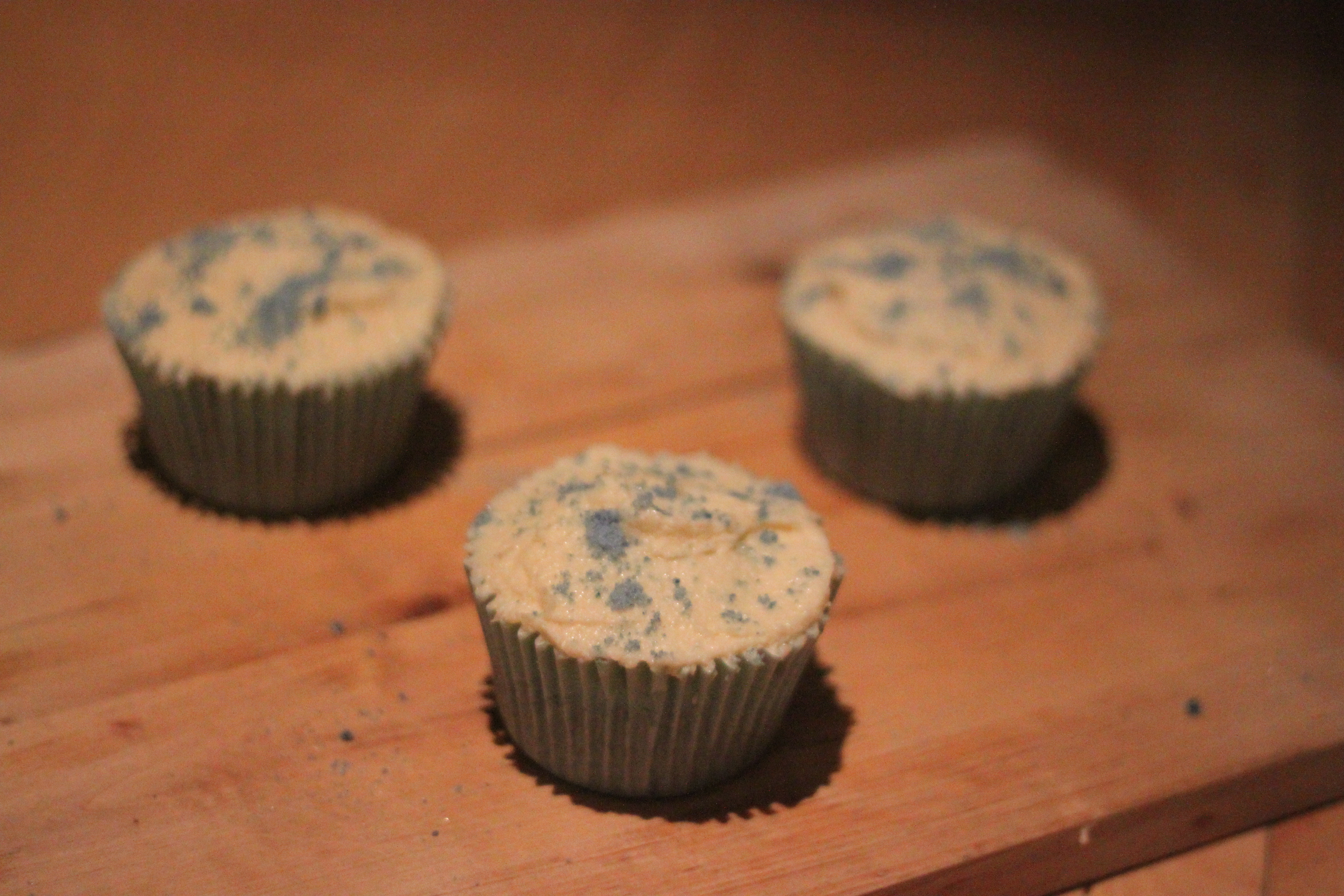
IMG_3165

I know, I know, cupcakes are SO 2010.

But since I have a preference for bite-sized food and pixie versions of any kind, I can’t let go of them completely. If they’re good I mean.

There are so many bad recipes for cupcakes out there, and some are focused more on the decorations (urgh for sugarpaste) than the flavour. But I have two great recipes for you.

IMG_3152

The chocolate cupcake from The Hummingbird Bakery is first class (and I thoroughly recommend their first cookbook) and this frosting recipe which is totally weird (you start with a roux) is utterly delicious and not too sweet or sickly.


Sumac pannacotta with lemon jelly

IMG_3214

When I discovered the sumac lemonade on the wonderful blog Taste of Beirut I suddenly realised all the possibilities of sweet dishes with sumac, something that had never thought of before. I have always used it as a spice for savoury food and especially salads, but of course the citrus-y flavour works just as well in puddings!

And I am quite proud of my first attempt: sumac pannacotta with lemon jelly! If you wish you can remove the sumac before you pour it into the cups, but I think it looks quite nice with it in. (I like to see what I eat.)

IMG_3210

Sumac pannacotta with lemon jelly, serves 4

Pannacotta:

200 ml single cream

300 ml double cream

4 1/2 tbsp caster sugar

zest from 1 small lemon or 3/4 of a large 

1 tbsp sumac

2 leaf gelatin 

Jelly:

50 ml water

50 ml lemon juice

50 ml icing sugar

zest from 1/2 lemon

1-2 drops yellow food colouring 

2 leaf gelatin

Soak the leaf gelatin in cold water. Combine cream, sugar, lemon zest and sumac in a saucepan. Bring to simmer and stir until all the sugar has dissolved. Squeeze the excess water from the gelatin and add it to the mixture. Stir. Remove from heat and leave to cool for about 20 minutes. Divide between four glasses and leave to cool completely. Place in fridge to set, for at least three hours before adding the jelly.  

Soak the leaf gelatin in cold water. Mix water, sugar, lemon juice and zest in a saucepan. Bring to the boil so the sugar dissolves. Add the food colouring. Sqeeze the excess water from the gelatin and add to the mixture. Leave to cool for about 20 minutes. Then divide evenly between the pannacottas. Place in fridge and leave to set for at least two hours.