Buttermilk sponge cake with sourcream chocolate frosting

IMG_3294When I went to New York for the first time last summer, I was actually shocked over the portion sizes in some restaurants, although of course I knew  what to expect.

And the same thing happened to me with this cake. It is an American recipe so I expected a large cake. But not this giant. Oh well, it doesn’t matter as it went down a treat and disappeared very quickly at the office despite its size.

And no wonder. The sponges are very light and super moist (thanks to the buttermilk in the batter). And the very strange frosting, consisting of little else but dark chocolate and sourcream, is neither too rich nor too sweet.

All in all, I would say this is a pretty perfect cake!

IMG_3345

Sponge cake with buttermilk, 2 large round cakes

Adapted from Smitten Kitchen’s recipe.

480 g plain flour

2 tsp baking powder

1 1/2 tsp bicarbonate of soda

1 tsp salt

225 g unsalted butter, softened

400 g caster sugar

2 tsp vanilla

4 large eggs, at room temperature

475 ml buttermilk 

Preheat the oven to 175C. Grease to springforms, about 22 cm in diameter and cover with a round of baking parchment in the bottom. 

Mix flour, baking powder, bicarb and salt in a bowl. Beat butter and sugar creamy in a mixing bowl with an electric mixer. Add the vanilla. Then add the eggs one at the time. Mix well in between each and scrape down the sides. Then add the buttermilk and don’t over-mix. Add the flour mixture in batches. 

Divide the batter between the two tins. Bake for 30-35 minutes or until a toothpick comes out clean. Leave to cool in the tins and then let cool completely on wire racks.

Chocolate frosting with sourcream, enougn to cover a large cake with two sponges

Adapted from Smitten Kitchen’s recipe.

425 g dark chocolate, roughly chopped

530 ml sourcream – N.B! at room temperature!

ca 60 ml corn syrup, to taste

3/4 tsp vanilla

Melt the chocolate over a bain marie. Leave to cool until at room temperature. 

Mix sourcream with corn syrup and make sure it is at room temperature. Add the tepid chocolate in batches. In case of lumps use a wire whisk and they should disappear. Leave to set in frdge for about 30 minutes or until spreadable without being runny. 

Place one sponge on a cake plate and cover it with frosting. Place the other cake on top and cover the top and sides with frosting. Keep in fridge until serving. 

Key lime cheesecake

cake spreadYesterday’s cake spread at work!  

Just with salads vs. soups I must say that this time of year anything fresh wins over heavy.   And this cheesecake is indeed fresh with the tangy lime juice and slight sourness from the cream cheese. Admittedly it contains heavy ingredients but the result is a light, yet very creamy, cheesecake. 

I kept the base thin too, as it only serves as a mere ‘resting place’ to the cake; it doesn’t need the biscuit base to cut through the sweetness, because the citrus is doing that on its own.


IMG_3314

I found the recipe at the ever wonderfully Smitten Kitchen and actually followed it exactly, with some minor adjustments when converting the measurements and the fact that I made one large cake instead of mini ones. And I omitted the mango.

OK, I almost followed it. And it turned out really well.

Key lime cheesecake, serves 8-10

Adapted from Smitten Kitchen’s recipe.

Base:
140 g digestives
55 g butter, melted

Filling:
450 g full-fat Philadelphia 
250 g caster sugar
175 ml freshly squeezed lime juice
120 ml sourcream
1/2 tsp vanilla
2 1/2 tbsp plain flour
1/4 tsp salt
3 eggs

To decorate:

200 ml whipping cream

3 lime slices

Preheat the oven to 180C.

Mix the biscuits into crumbs in a food processor. Add the melted butter and mix until it resembles wet sand. Press onto the base of a 20-22 cm springform. Bake the base for 8 minutes, then leave to cool. 

Lower the oven temperature to 140C. 

Beat the Philadelphia fluffy with an electric mixer, then add the sugar. Incorporate lime juice, sourcream and vanilla. Then add flour and salt and then all the eggs at once. Scrape down the sides of the bowl and mix thoroughly. Pour the batter into the cake tin and bake in the oven (preferably in a bain marie but it works without as well, just watch it closely) until the cake has just set and is still wobbly in the middle. About 1 hour in a bain marie, about 30 minutes withour. Leave to cool and refrigerate over night.

Before serving, whip the cream and spread on top of the cool cheesecake (this also covers any cracks) and place the lime slices on top. Keeps in the fridge for 2-3 days. 


A repeat: the best frosting ever!

IMG_3165

I know, I know, cupcakes are SO 2010.

But since I have a preference for bite-sized food and pixie versions of any kind, I can’t let go of them completely. If they’re good I mean.

There are so many bad recipes for cupcakes out there, and some are focused more on the decorations (urgh for sugarpaste) than the flavour. But I have two great recipes for you.

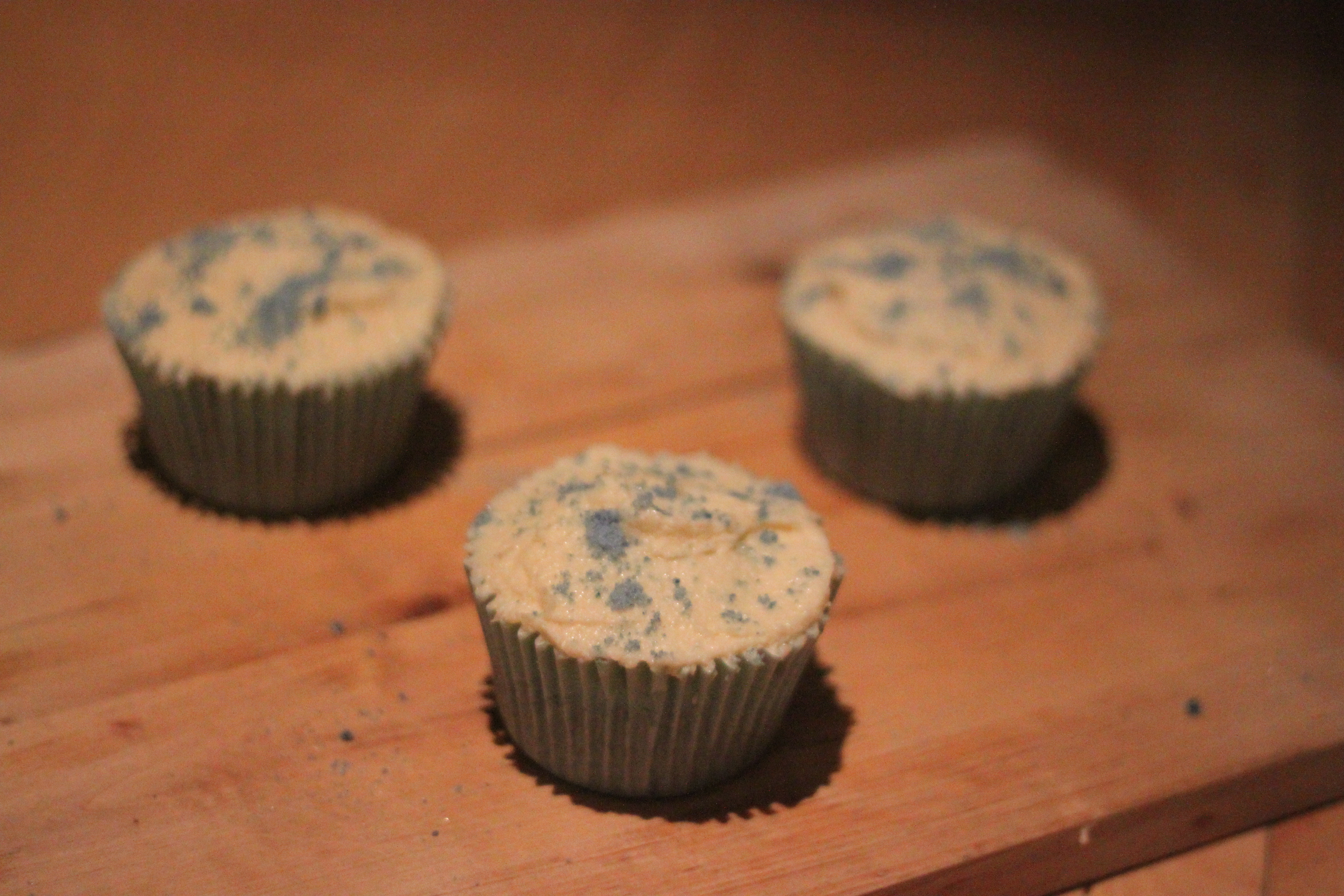
IMG_3152

The chocolate cupcake from The Hummingbird Bakery is first class (and I thoroughly recommend their first cookbook) and this frosting recipe which is totally weird (you start with a roux) is utterly delicious and not too sweet or sickly.


Dan Lepard’s carrot, orange and pistachio cake

When baking for the office last month, I thought I’d accommodate the detoxers with this carrot cake.

I mean, it is still a sweet cake but containing nuts, tahini and pomegranate molasses it seems a lot healthier than a creamy Victoria sponge.

The list of ingredients is rather long for a carrot cake, but it is still a straightforward recipe. The spices makes it taste like any decent carrot cake, but the extra ingredients gives it a lot of depth. It just tastes more than your ordinary carrot cake.

I tried photographing it without a memory card (doh!) so no photo this time… 

Dan Lepard’s carrot, orange and pistachio cake, serves 10

Adapted from Dan Lepard’s recipe.

75 g tahini

125 ml sunflower oil

3 tbsp pomegranate syrup or treacle

zest of 3 oranges, and 100ml juice

225 g light soft brown sugar

3 large eggs, separated

200 g carrot, grated finely

100 g chopped pistachios

175 g plain flour

2½ tsp baking powder

2 tsp ground cinnamon

½ tsp ground cloves

½ tsp nutmeg

Butter a large round cake tin and line the base with a round of baking parchment. Heat the oven to 180C. In a large mixing bowl, whisk together the tahini, oil, syrup, orange zest and brown sugar until smooth. Beat in one whole egg plus two yolks (reserving the whites) until combined, then stir in the grated carrot, pistachios and juice. Sift the flour, baking powder and spices together, then stir them through the mixture. Whisk the egg whites until white and fluffy, then fold through the mixture. Pour the mixture into the tin and bake for 25-30 minutes or until a toothpick comes out clean. Remove from the oven, leave to cool in the tins, then cover with a simple icing made from icing sugar and a few drops lemon juice. 

My mother’s mazarin cake

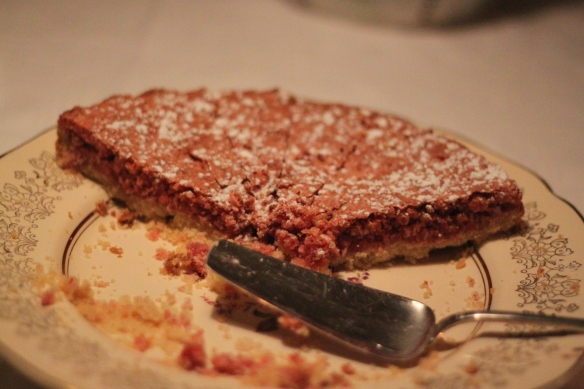
IMG_2510

My mother associates this cake with Christmas because her grandmother used to bake it for the holidays. And the red colour helps with that association too, I’m sure. In general, though, this type of cake has nothing to do with Christmas. It is a cake we eat all year round and it got its name from Cardinal Mazarin.

Consisting of a shortcrust with an almond filling this cake is chewy and not too sweet. It also has the unusual addition of desiccated coconut, and although I’m not a fan in general, it really works here.

Mazarin cake, serves 8-10

Short crust:

75 g butter

35 g caster sugar

1 egg white

100 g plain flour

 1 1/2 tsp baking powder

Filling:

100 g almonds

50 g desiccated coconut

100 g butter

150 g caster sugar

3 eggs

red food colouring

Cream butter and sugar for the shortcrust. Add the egg white, flour and baking powder. Incorporate and cover a baking tin with the dough. 

Blanch the almonds and grind them finely. Add coconut, butter and sugar. Add the eggs and colouring. Pour into the tin and bake in 175C about 20-30 minutes. Leave to cool and dust with icing sugar. 

A Swedish sponge cake

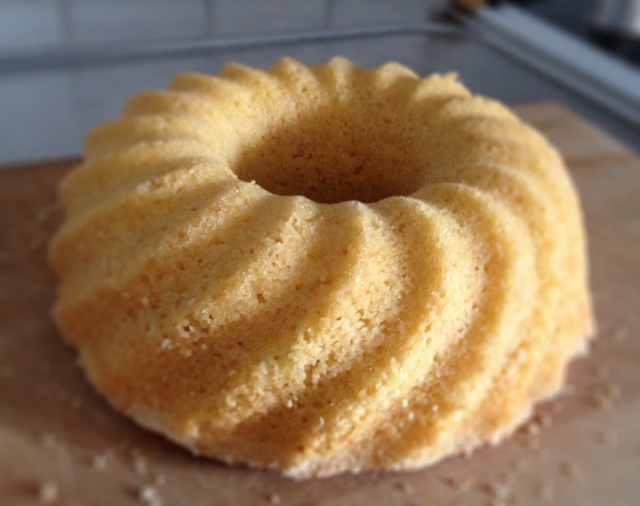
sponge

Today on my Swedish blog, I share an adapted version of Delia’s recipe for a sponge cake with passionfruit filling which feels like old news, yet I know it will be appreciated by my Swedish followers.

A sponge cake is as common in Sweden as here in Britain, but they do differ a bit. The sponge cake recipe I grew up with is such an old recipe we measure it in cups. Not imperial cups, but a specific coffee cup we use for baking.

You start by beating eggs and sugar pale and fluffy and without butter the batter is light and runny which in the oven transforms into an airy moist sponge covered in breadcrumbs.

That cake was probably the first recipe I mastered on my own, and as it also was the way to my daddy’s heart I have made it many many times.

When arriving in the UK a few years ago now, I realised a sponge here was something different. A buttery, sturdier version of what I knew. Of course we have buttery sponges in Sweden too, but in my family they’re not that common, and we don’t really do the sandwich thing either.

The English varieties I am sure you know, but below is that old family recipe of a very simple sponge.

My family sponge, serves 8

3 eggs

150 g caster sugar

1 tbsp water

120 g plain flour

1 1/2 tsp baking powder

melted butter for coating tin

breadcrumbs for coating tin

Brush a little melted butter in a cake tin, prefferably of the bundt variety. Coat with breadcrumbs. Beat eggs and sugar pale and fluffy with an electric whisk. Add the water. Mix flour and baking powder and incorporate into the batter. Pour into the tin and bake in 175C for 25-30 minutes or until a toothpick/skewer comes out dry. 

Chocolate and fudge cake with salted toasted hazelnuts

IMG_2274

Even though December was _pretty_ hectic I still managed to bake cakes for the office, like I do every month. It was rather helpful, though that my colleagues whose birthday we celebrated chose cakes I had made before; Key Lime Pie and Victoria Sponge. So I only tried one new recipe, and a really good one actually, that I have been meaning to try the last ten years or so… It is from a recipe folder from Dansukker, a Danish sugar manufacturer that took over the Swedish market some time ago.

The cake (or pie even) consists of three yummy layers; chocolate cookie crumbs with butter and icing sugar as the base, a fudge layer and chocolate topping. Delicious!

As most Swedish cakes it was suggested to serve this with whipped cream, which I find completely unnecessary. Instead I opted for toasted salted hazelnuts as a contrast.

Chocolate and fudge cake with salted toasted hazelnuts, serves 8

Adapted from Dansukker’s recipe.

Base:

75 g butter

50 ml icing sugar

1 tbsp cocoa 

200 g crushed chocolate cookies (Maryland for example)

Fudge layer:

400 ml sweetened condensed milk

75 g butter

50 ml caster sugar

Chocolate topping :

200 g chopped dark chocolate

150 ml double cream

2 tbsp caster sugar

40 g butter

Decoration:

75 g hazelnuts

2 pinches sea salt

Melt butter, icing sugar and cocoa in a saucepan. Mix with the crushed cookies. Press onto a baking tray and put in the fridge. 

Mix the fudge ingredients in a saucepan and boil until it has thickened, about 6 minutes. Chill slightly before pouring into the tin. Put the tin back in the fridge to set.  

Mix the chocolate layer ingredients in a saucepan and melt on low heat. Leave to cool a bit before pouring into the tin as a top layer. Let it set in the fridge. 

Toast the nuts in a hot fry frying pan. Leave to cool and chop coarsely. Mix with the salt and scatter on top of the now set cake just before serving.

Almond butter chocolate chip cookies

IMG_2972

A lot of my cooking inspiration comes from cookbooks, blogs and TV programs, but a lot also comes from necessity.

I live with flatmates which means that I haven’t got a lot of kitchen cupboard space so I try to use things up before buying something else. And it is actually a fun exercise to come up with something tasty with the ingredients you have at hand.

This recipe is an altered version of peanut butter cookies. I changed the peanut butter for almond butter as I had some I wanted to use up and because I had some chocolate I hand I threw that in too.

This turned out to be a nice combination as the almond butter is less pungent and a more mature flavour than peanut butter so it needed the addition of chocolate to make it interesting.

Serving idea: Break into pieces and serve with three minute icecream and chocolate sauce.

IMG_2962

Almond butter chocolate chip cookies, makes 25

275 ml plain flour

1/2 tsp salt

1 tsp baking powder

100 ml caster sugar

100 ml soft light brown sugar

100 g softened butter

100 ml almond butter

1 egg

1 tsp vanilla 

70 g chopped chocolate of your choice

Mix sugars, butter, vanilla and almond butter. Whisk in the egg. Mix the flour with baking powder and salt and add it to the batter. Add the chopped chocolate and stir to combine. Roll the dough into small balls and place on a lined baking tray. Flatten the balls slightly with a fork. Bake in 190-200 degrees for 8-10 minutes.

Gingerbread cheesecake

Gingerbread. Is there anything more Christmassy than the mixture of ground ginger, cloves and cinnamon?! I think not.

As much as I love traditional gingerbread, last year I also made this gingerbread cheesecake. The base is of course ginger biscuits, and the cheesecake filling has the same ratio of the three spices as gingerbread. More of cinnamon and ginger, less of the pungent cloves.

Do try this at a gathering or just for your family – it is delivious, and a fun way of serving traditional flavours.

Gingerbread cheesecake, serves 10-12

200 g ginger biscuits (I used Ginger Nuts)

75 g softened butter

600 g Philadelphia cheese

2 eggs

100 ml golden syrup

50 ml caster sugar

2 tsp cinnamon

2 tsp ground ginger

1 tsp cloves

1 tbsp milk

1 tskp gelatin powder

Topping:

150 ml sourcream

50 ml golden syrup

Mix the biscuits into crumbs in a food processor. Add the butter and mix until the crumbs has the consistency of wet sand. Press the crumbs onto the base of a buttered and lined springform tin. Bake for 10 minutes in 175C. 

Beat Philadelphia, eggs, sugar and syrup with an electric whisk. Add the spices and stir to combine. Add milk and gelatin and stir to combine. Pour the cheesecake mixture onto the slightly cooled baked base. Bake for 20 minutes in a low oven or until the cake   is almost set.

Mix sourcream and syrup in a bowl and spread onto the cheesecake with a spatula. Bake for another 5 minutes. Leave to cool, then refridgerate for at least 2 hours before serving. 

Butterscotch pecan cheesecake

IMG_2038

For the monthly cakes in November I had originally thought of making a pecan pie as a nod to Thanksgiving, but most my colleagues it seemed had actually been celebrating Thanksgiving so a pecan pie didn’t seem as such a good idea anymore.

I still wanted to make something similar and looking through a cookbook at home, I found the perfect compromise – a butterscotch pecan cheesecake.

It basically tastes like a pecan pie, pairing the nuts with the butterscotch, but in the form of a cheesecake. Genius!

Everyone in the office loved it, and so did I. Definitely a good autumnal recipe to have up your sleeve. IMG_2005

Butterscotch pecan cheesecake, serves 10

Adapted from a Hummingbird Bakery recipe from the book Cake Days.

Biscuit base:

220 g digestives

100 g melted butter

Cheesecake layer:

700 g full-fat cream cheese

120 g caster sugar

1 tsp vanilla

3 eggs

80 g pecans, finely chopped. Plus 10-12 pecan halves, to decorate.

Butterscotch glaze:

60 g butter

45 g soft light brown sugar

2 tbsp whole milk

120 g icing sugar

1 tsp vanilla

Preheat the oven to 160C. Line the base of the cake tin with baking parchment, then, in a food processor, mix  the digestive biscuits into fine crumbs. Add the melted butter and mix until the crumbs have the consistency of wet sand. Press them into the vase of the tin, then either place in the fridge to set for 20-30 minutes or bake the base for 10-15 minutes. Leave to cool before adding the cheesecake mixture. 

Using a hand-held whisk or a freestanding electric mixer with a paddle attachment, mix together cream cheese, sugar and vanilla on a medium speed until smooth. Add the eggs one at a time, mixing thoroughly after each addition and scraping down the sides of the bowl. Stir in the chopped pecans by hand and then pour the cheesecake mix on to the biscuit base. 

Wrap the cake tin in tin foil and place in a roasting tin. Fill with water to about 5 mm from the top of the cake tin, creating a water bath,to prevent the cake cracking on top while cooking. Place in the oven and bake for 35-45 minutes or until the cheesecake is a light golden colour, especially aronud the edges, firm to the touch and with only a slight wobble in the middle. (It is possible to bake the cake without a water bath on a lower heat keeping an eye on it all the way through, but I would only recommend that to experienced bakers. You need to know exactly when to take it out.)

Allow the cheesecake to cool down to room temperature, and then place in the fridge to set for a few hours. When the cheesecake is fully chilled, make the butterscotch glaze.

Put the butter, light brown sugar and milk in a small saucepan and bring to the boil. Remove from the heat, stir in the icing sugar and vanilla essence, then whisk until the glaze is smooth. Pour the glaze on top of the cheesecake and let it set for a few more hours. Decorate the top with the pecan halves. Remove from the cake tin before serving.